- Pixel P&L by AFK Gaming
- Posts
- Pixel P&L: China Commands Nearly Half of Global Souls-like Gaming Market
Pixel P&L: China Commands Nearly Half of Global Souls-like Gaming Market

AFK Gaming Editorial
October 14, 2025
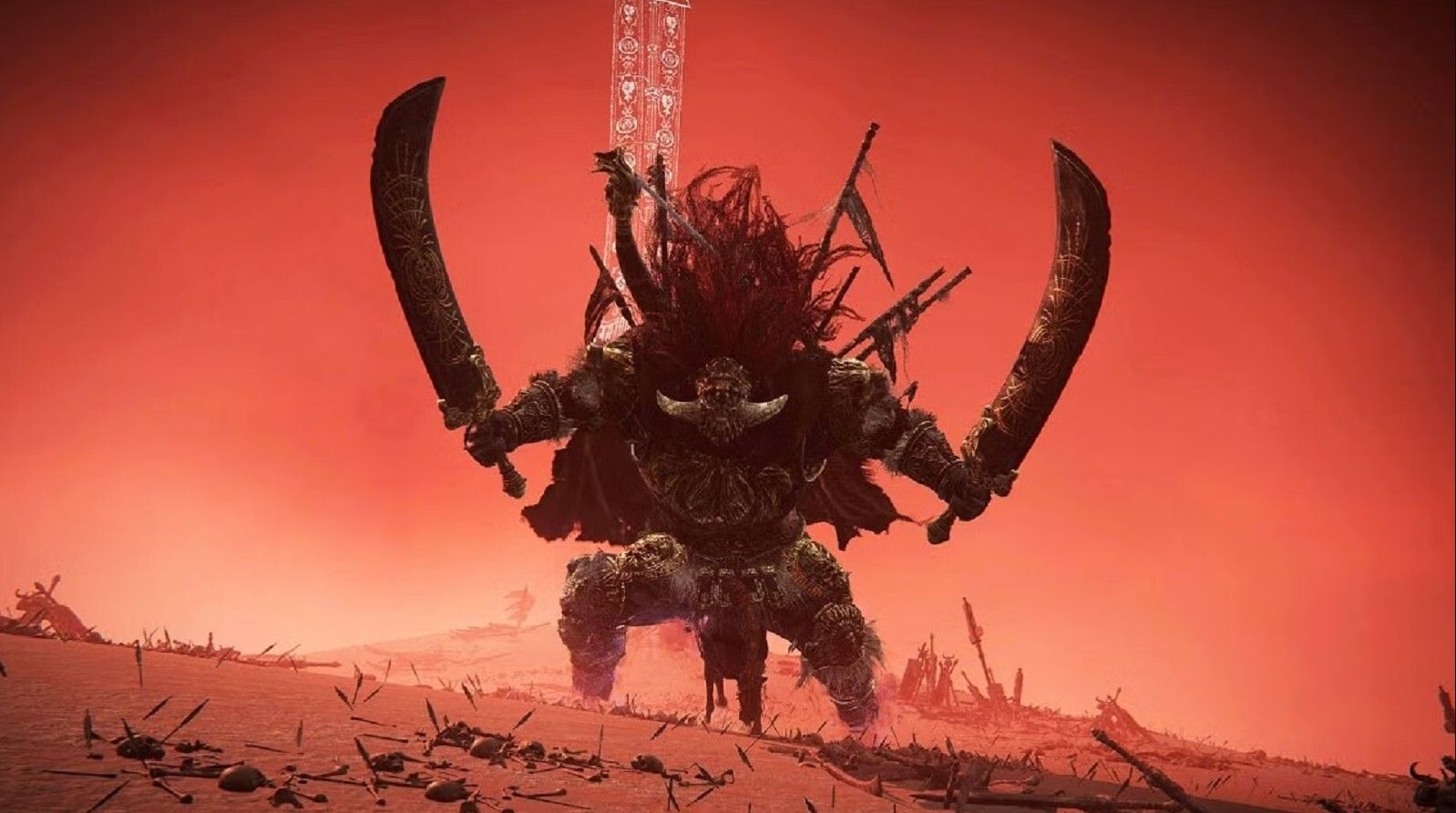
Welcome to another Pixel P&L edition. This issue takes 5 minutes to read. If you only have one, here are the 5 most important things:
Asia-Pacific dominates the Souls-like gaming boom, with China commanding 47% of all players and Black Myth: Wukong leading Steam sales.
Red Bull India launches its largest solo BGMI tournament, testing whether individual player brands can attract sponsor dollars in a team-dominated market.
Remedy issues profit warning after FBC: Firebreak missed targets, taking a €14.9 million impairment hit on the co-op shooter.
Netflix finally brings games to smart TVs after two years of development, making titles like LEGO Party playable directly on television screens.
AI gaming startup Felicity pushes Solitaire title into U.S. top 50 after acquiring it with fewer than 10,000 downloads.
Let's get into it.
Asia-Pacific Dominates Booming Souls-Like Gaming Market
The Asia-Pacific region has emerged as the epicenter of the Souls-like gaming phenomenon, according to Video Game Insights data analyzing titles launched since 2015.
China leads global consumption, commanding 47% of all players, while Japan and Korea anchor development and publishing. Black Myth: Wukong topped Steam sales charts with 20.3 million units, followed by Elden Ring at 15.6 million.
The subgenre experienced explosive growth, with titles tagged as Souls-like surging 41% between 2023 and 2024. AAA studios reclaimed market dominance after briefly ceding ground to mid-tier developers, now holding 70% of sales.
"What began as a niche subgenre has evolved into a global pillar of game design," VGI stated, noting China's playerbase now determines commercial viability for major releases.
The genre peaked initially in 2019, weathered pandemic slowdowns, then achieved mainstream status from 2022 onward, driven largely by Chinese developers and audiences reshaping the competitive landscape.
Red Bull Targets Indian Gaming Market with Solo BGMI Tournament
Red Bull India has launched its largest solo Battlegrounds Mobile India tournament, expanding the beverage company's footprint in India's competitive gaming sector amid rising player engagement.
The multi-phase event represents a shift toward individual competition formats in a market traditionally dominated by team-based tournaments. The company will host online qualifiers before on-ground finals featuring established professionals including Jonathan Amaral and Sahil Jakhar alongside amateur players.
The initiative follows Red Bull's broader strategy of embedding itself in India's esports ecosystem through properties like Mobile Esports Open and partnerships with organizations such as GodLike Esports. The company has steadily built a roster of gaming influencers as brand ambassadors.
Industry observers note the solo format addresses a gap in India's mobile esports landscape, where team competitions have historically attracted sponsor dollars. The tournament structure could test whether individual player brands carry sufficient commercial appeal for advertisers.
⚡️Quick Bytes
Remedy Issues Profit Warning on Weak 'Firebreak' Sales
Remedy Entertainment lowered its 2025 outlook after recognizing a €14.9 million ($16.2 million) impairment on FBC: Firebreak, representing most of the co-op shooter's capitalized development costs and distribution rights. The Finnish developer now expects declining operating profit despite previously forecasting growth, with CEO Tero Virtala acknowledging the game missed internal targets following a "rocky launch" that saw particularly weak Steam performance on what was planned as the primary PC sales channel. Remedy implemented major updates including September's Breakpoint expansion, but sales remained below projections, prompting the studio to balance future investments against revised long-term forecasts while continuing support for the title.
Netflix Brings Games to Smart TVs After Two-Year Push
Netflix launched games on smart TVs, allowing subscribers to play directly on television screens for the first time after development began in early 2023. The streaming company added titles including LEGO Party, Tetris Time Warp and Pictionary: Game Night to its library, rolling out gradually to users. The move follows a turbulent gaming strategy that saw Netflix remove 20 titles in July while simultaneously pledging increased investment in the segment. The company previously introduced an iOS controller app but had remained quiet on TV integration until now, aiming to make gaming as seamless as its core streaming business.
Supercell Launches Global AI Gaming Hackathon
Supercell opened registration for a 48-hour AI game development hackathon running October 24-26, backed by Cerebral Valley, Unity and Junction. The event invites teams of up to three developers to build AI-powered games, reimagine classics with AI, or create gaming tools across three competition tracks. Participants can join remotely worldwide, with 60 on-site seats available at Supercell's San Francisco office. Winners receive MacBooks, GPUs and consultations with Supercell's AI team, while all projects will be open-sourced. The initiative reflects growing industry interest in AI-driven game development as studios explore machine learning applications.
AI Gaming Startup Felicity Pushes Solitaire Title Into U.S. Top 50
Felicity's Klondike Solitaire entered the top 50 U.S. App Store card games after the AI-focused publisher acquired the title from India-based OTM Studios with fewer than 10,000 downloads. The game now exceeds 1 million downloads and 250,000 monthly users, targeting $2 million in annual revenue. Founded in 2023 by Anurag Choudhary, Felicity uses proprietary AI platforms FeliCore and FeliGen to optimize monetization and growth across its portfolio of 10-plus studio partnerships, competing against established publishers like Peak Games and Playtika in the casual gaming market.
⚔️Side Quest
🤣Laugh:
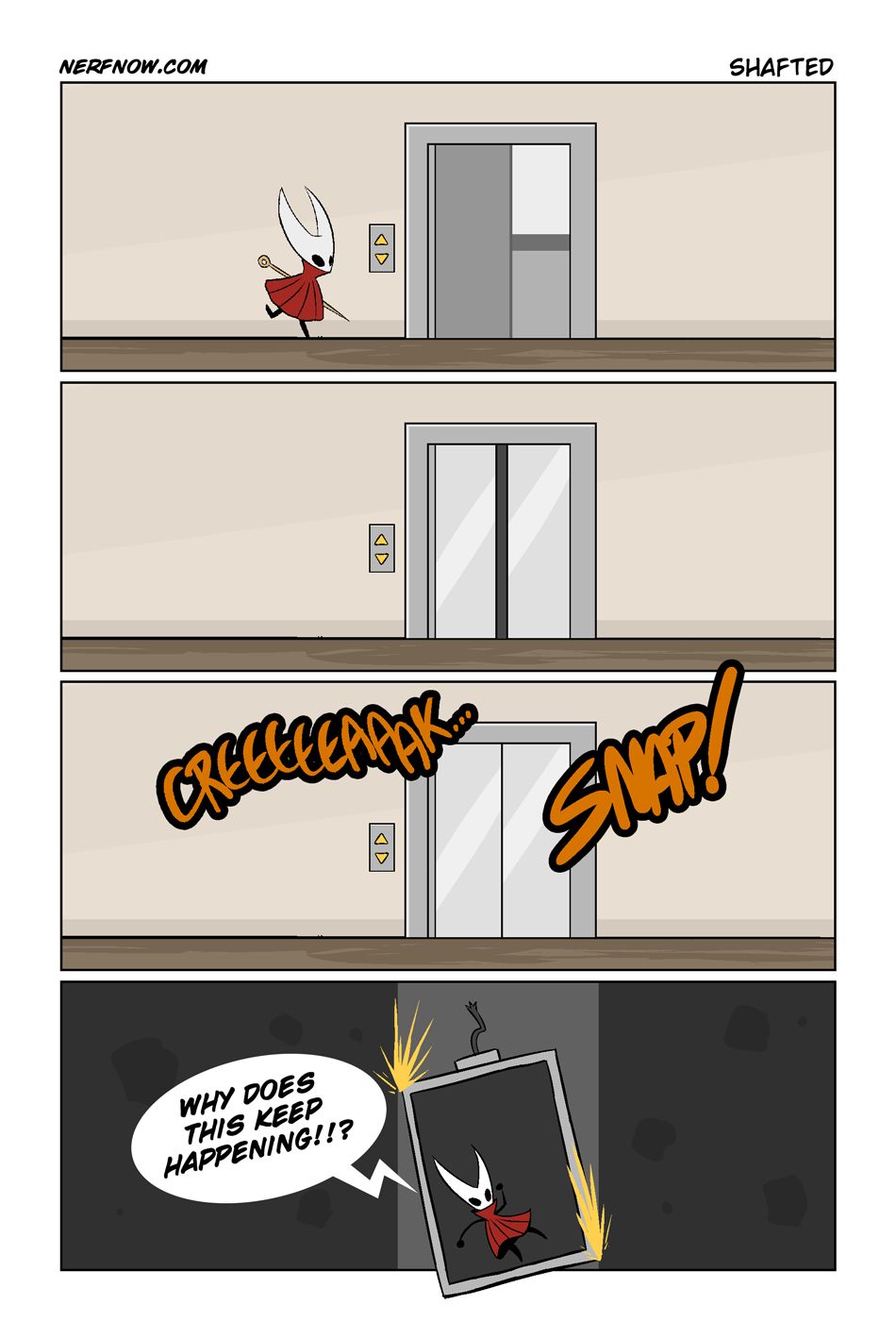
Credit: Nerf Now
📺 Watch: I watched the Unleash the Avatar gameplay trailer and it's actually gotten interesting. The Indian mythology angle feels fresh for a soulslike, and the combat looks polished with some unique mechanics like the chakra throws. The photogrammetry work on Indian architecture is impressive too. Definitely keeping an eye on this 2026 release.
🎮 Play: I tried Cast n Chill and it's genuinely perfect for background play. The fishing mechanics hit that sweet spot between engaging and relaxing, ideal for a second monitor while you're working. Visuals and sound design are excellent.
📚 Read: Polygon’s EA acquisition analysis offers valuable insights into the financial implications. The $20 billion debt structure creates significant pressure for asset optimization and strategic divestment. The piece provides solid analysis on which franchises (sports titles, BioWare, The Sims) face different futures, backed by concrete market data and expert predictions.
💡Did You Know
Valve founder Gabe Newell attended Harvard in 1980 but dropped out in 1983 after visiting his brother Dan at Microsoft over Thanksgiving. At the time, Microsoft was just the third-largest software developer on the east side of Lake Washington, far from the tech giant it would become. When Newell kept distracting his brother from work, Microsoft’s Steve Ballmer told him to either make himself useful or leave.
What followed were the most transformative three months of Newell's education. Working alongside developers like Tom Corbett, Neil Konzen, and Steve Wood, he learned how to be a professional software developer in ways university never taught him. That quarter turned into 13 years at Microsoft before he co-founded Valve in 1996, bringing that culture of innovation and problem-solving into gaming with franchises like Half-Life and the Steam platform.
📜 Quote of the Day
“The most important thing to remember is that entertainment is something people can get tired of, which is fundamentally different from essential items. People don't get tired of essential items. And generally, the cheaper an item is, the better it sells. When a product is launched, and then a similar product is launched later, the cheaper one will sell better, even if it's the second option, as long as it's an essential item. However, with entertainment, a rehash won't work. It won't sell, even if it's cheaper.”
Was this forwarded to you? Sign up for free here.
We read every email! Share your feedback by hitting reply.